

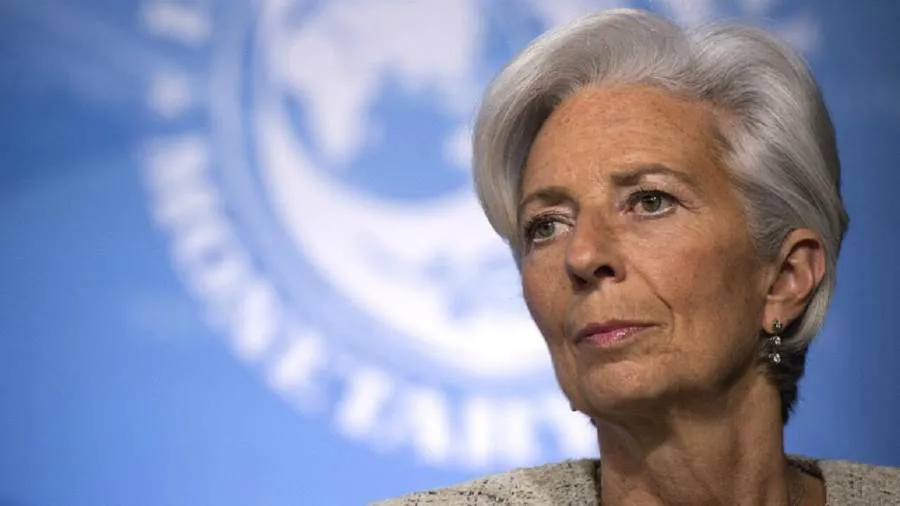
European Central Bank President Christine Lagarde said on Saturday that a bond selloff is raising borrowing costs in the euro area, curbing economic growth and ultimately easing inflationary pressures.
Bond yields have risen around the world in recent weeks, with heavily indebted France among the hardest-hit countries. The rise came amid concerns about debt and inflation, as well as growing competition for financing from investment in artificial intelligence.
Lagarde said tighter financing conditions would leave consumers less able to absorb the higher fuel prices caused by the war with Iran than the ECB had projected last month.
Speaking to central bankers and finance ministers gathered in Bangkok, she added: "While growth has been resilient, financing conditions have tightened, with long-term interest rates rising notably since our last meeting. This will slow growth and reduce the pass-through of higher prices by more than we projected in our September estimates."
The ECB has raised interest rates twice in the past four months and is expected to raise them again in December, which would lift its key interest rate to 2.75%, a level the bank considers restrictive to economic activity.
Joachim Nagel, a member of the ECB Governing Council and president of Germany's central bank, hinted that monetary tightening may continue, stressing that the bank would make its decisions at each meeting based on incoming data.
Speaking at a DZ Bank event in the Thai capital, Nagel said: "We are fighting inflation, and I believe the job is not done yet. We may have to do more."
Fellow ECB Governing Council member Olli Rehn said the bank would monitor the "second-round effects" of higher energy prices on other prices and wages.
He added: "There are no signs of these effects so far, but we will remain vigilant, as they may creep in quietly like a cat in socks."

Comments
No comments yet. Be the first!