

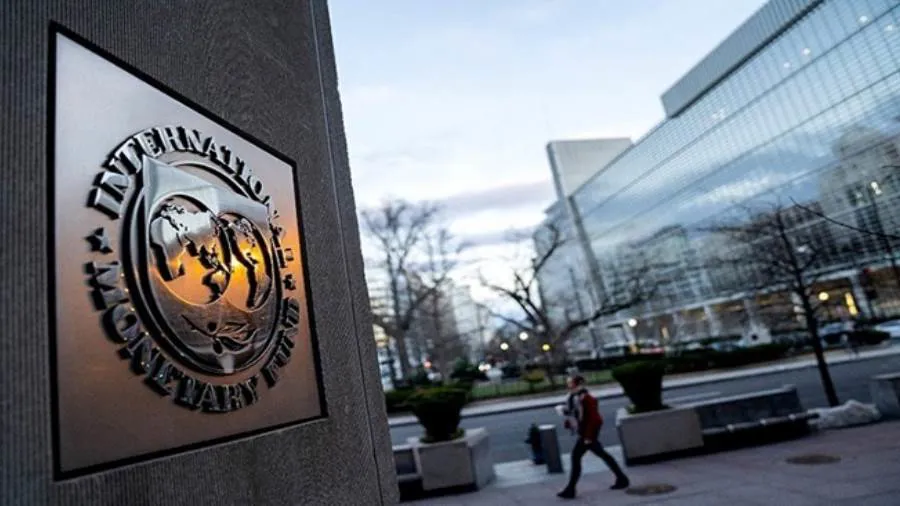
The International Monetary Fund (IMF) expects global real GDP to grow 3.1% in 2026, slightly above its July forecast of 3%, supported by strong investment in artificial intelligence (AI), which is helping offset the energy shock caused by the situation in the Middle East.
Despite the modest improvement in its growth outlook, the Fund warned of mounting downside risks to the global economy, as more countries fall behind and become increasingly exposed to rising debt burdens.
The estimates came in the World Economic Outlook report, released as economic and financial leaders from around the world gathered in Bangkok for the annual meetings of the IMF and the World Bank.
Although oil prices remain above USD 100 a barrel, the Fund expects the global economy to keep growing by more than 3% this year. The 2026 forecast is close to the most optimistic scenario the Fund set out last April, but remains below the 3.5% global growth rate recorded in 2025.
For 2027, the Fund expects global growth of 3.4%, unchanged from its July estimate and 0.2 percentage points higher than its April forecast.
This modest improvement is largely due to continued strong investment in AI infrastructure, which led the Fund to raise its growth forecasts for some advanced economies building platforms for the technology, as well as for countries that supply related components and hardware, including South Korea, Malaysia, Mexico and Thailand, which is hosting the meetings this week.
On the other hand, downward revisions became more widespread: the IMF has cut its growth forecasts for about 47% of economies since its April estimates, including a number of energy-importing countries that sit outside AI-related value chains.
Among the major economies, the Fund expects the US economy to grow 2.3% in both 2026 and 2027, keeping this year's forecast unchanged and raising next year's estimate by 0.1 percentage points.
The US economy is expected to benefit from strong private consumption, tax cuts and AI investment, although the high imported content of this technology will limit its positive impact on growth.
The Fund's forecasts assume an average oil price of USD 96 a barrel in 2026, falling to USD 87 a barrel in 2027.
In a downside scenario included in the report, a worsening of the situation in the Middle East could push oil prices up to USD 130 a barrel and keep them at that level until the first quarter of 2027.
Should this scenario materialise, the Fund expects global growth to fall by 0.2 percentage points in 2026 and by 0.5 percentage points in 2027. It also expects inflation in 2027 to rise by an additional 1.1 percentage points, to 5.2%.

Comments
No comments yet. Be the first!