

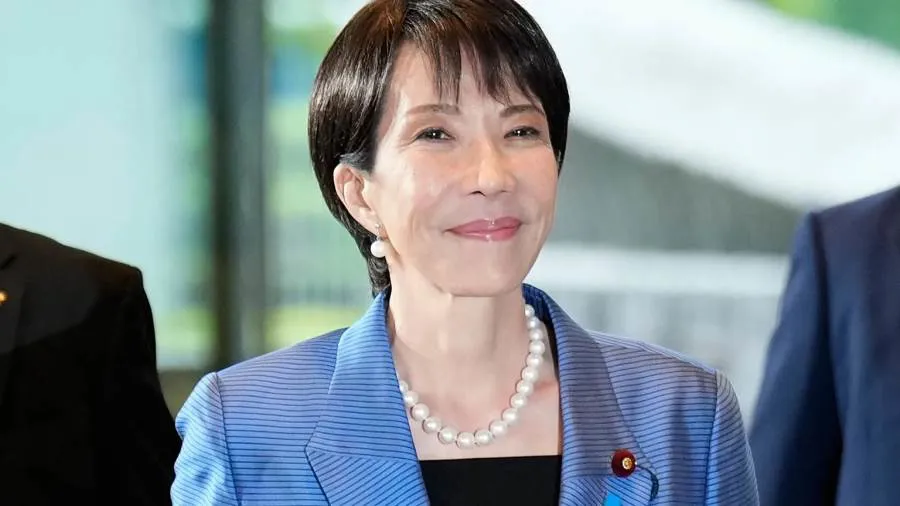
Japanese Prime Minister Sanae Takaichi rejected criticism blaming her administration's policies for the yen's decline and rising interest rates, saying her government aims to strengthen confidence in the currency by building a strong economy.
Speaking before parliament on Monday, October 19, Takaichi denied responsibility for the weak currency and higher interest rates, in the face of repeated criticism linking these developments to her time as head of government.
Her remarks came as Japanese government bond yields rose to their highest levels in several decades and the yen fell to its lowest level since 1986, prompting Tokyo and Washington to intervene in the foreign exchange market to support the Japanese currency.
In remarks attributed to her last January, Takaichi had described the weak yen as an opportunity for export industries and a way to soften the impact of US tariffs, before later clarifying that she does not favour any particular direction for the exchange rate.
A weaker yen supports the competitiveness of Japanese exports by lowering their prices in foreign currencies, although it puts pressure on import costs.
On the bond market, Takaichi said the government intends to adjust the volume of government bond issuance according to conditions, as yields rise and the Bank of Japan continues to normalise monetary policy and raise interest rates.
Comments
No comments yet. Be the first!