
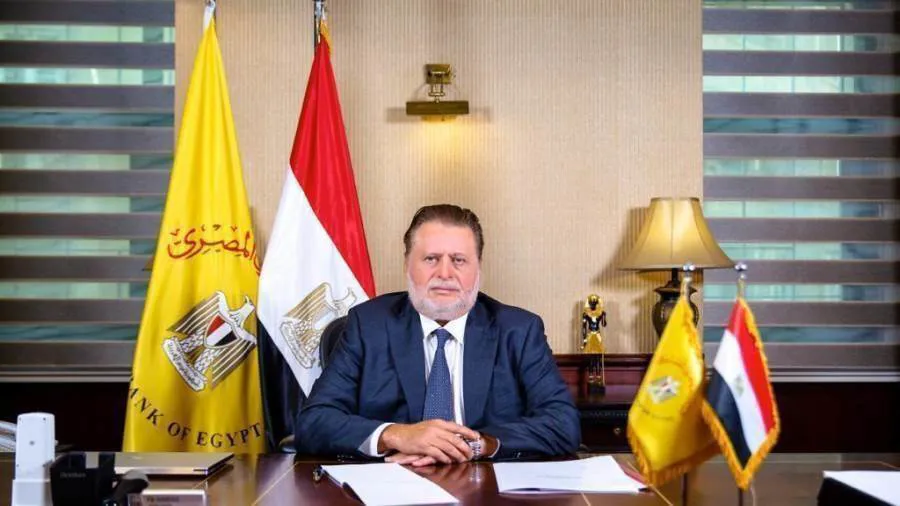
Hassan Abdalla, Governor of the Central Bank of Egypt (CBE), said the dollar moving up or down in line with supply and demand is a natural result of applying a flexible exchange-rate policy, adding that the policy has had a positive impact on various sectors of the economy.
Speaking at the "Foreign Currency Resources and Debt Management" session at Egypt Forum 2026, he said that a fixed exchange rate used to be seen as proof of the state's success, even though such a regime is better suited to economies dealing with a single main trading partner and currency, as in some oil-exporting countries, conditions that do not apply to Egypt.
He added that having two prices for a currency or for the same commodity, together with high inflation, is among the most dangerous imbalances an economy can face, which is why the Central Bank moved to exchange-rate flexibility and inflation targeting.
Abdalla also discussed the pressures the economy faced in September 2022, when a parallel currency market emerged, remittances and reserves fell, inflation reached about 32% and goods piled up at the ports. He said the shift to a flexible exchange rate, together with efforts to bring down inflation, helped improve these conditions and lift foreign reserves.
He noted that the dollar stood at about EGP 53 in early 2024, at a time when exporters faced challenges. He added that the Central Bank developed a system to measure the movement of goods, revenues and inputs on a scientific basis, while foreign reserves later exceeded USD 53 billion, inflation fell from 38% to 18%, and there are no longer goods stuck at the ports.
The governor stressed that exchange-rate flexibility has helped secure foreign currency, meet the state's obligations and increase dollar inflows, noting that the risk premium on the dollar has fallen from about 25% to 3%.

Comments
No comments yet. Be the first!