

Gold prices are set to extend their upward path in the second half of 2026, supported by sustained heavy central bank buying and fading expectations of US monetary tightening, amid forecasts that an ounce could reach USD 4,900 by the end of the year.
The trend is reinforced by monetary institutions' moves to diversify their foreign reserves, alongside renewed investor demand for safe havens, although price volatility could increase due to the wider use of financial derivatives.
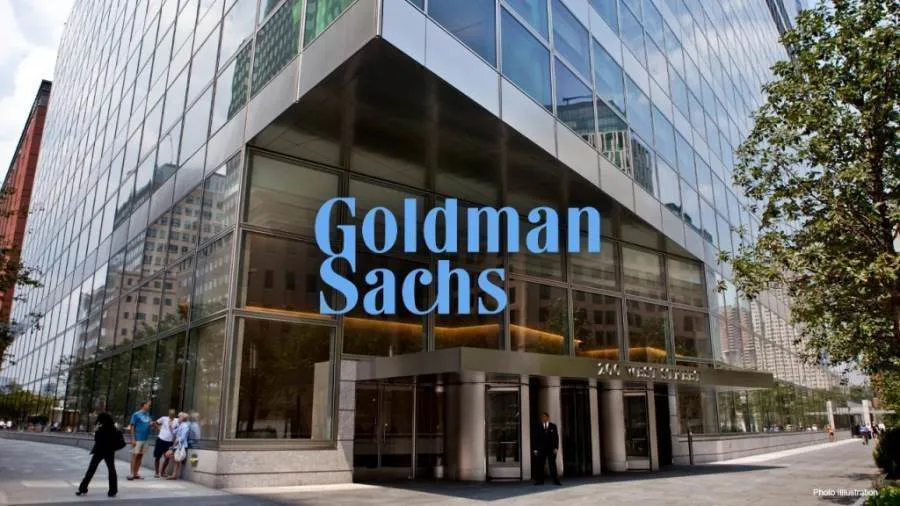
According to a recent Goldman Sachs report, gold has jumped about 15% since its mid-July lows, touching USD 4,600 an ounce by August 25.
Accordingly, the bank believes that the persistence of demand-supporting factors gives prices additional momentum for further gains in the remaining months of the year, although market trends remain dependent on global financial and monetary developments.
Institutional demand from central banks is one of the main structural drivers of gold prices, according to Lina Thomas, senior commodities analyst at Goldman Sachs, and Daan Struyven, co-head of global commodities research.
This trend underlines the growing importance of official demand in setting the price path, particularly as monetary institutions continue to review the composition of their reserves.
The two analysts noted that the build-up of gold holdings is likely to continue for years to come, as central banks seek to diversify their assets and hedge against geopolitical risks.
Recent surveys support these estimates, reflecting the yellow metal's appeal as a key instrument in international reserve management strategies.
Central bank appetite for the precious metal has risen since 2022, after the G7 countries froze the Russian central bank's assets.
Since then, these institutions have stepped up their gold purchases, viewing it as a neutral asset free from the risk of freezing, unlike currency-denominated assets, which ensures continued strong demand in the period ahead.

Comments
No comments yet. Be the first!