
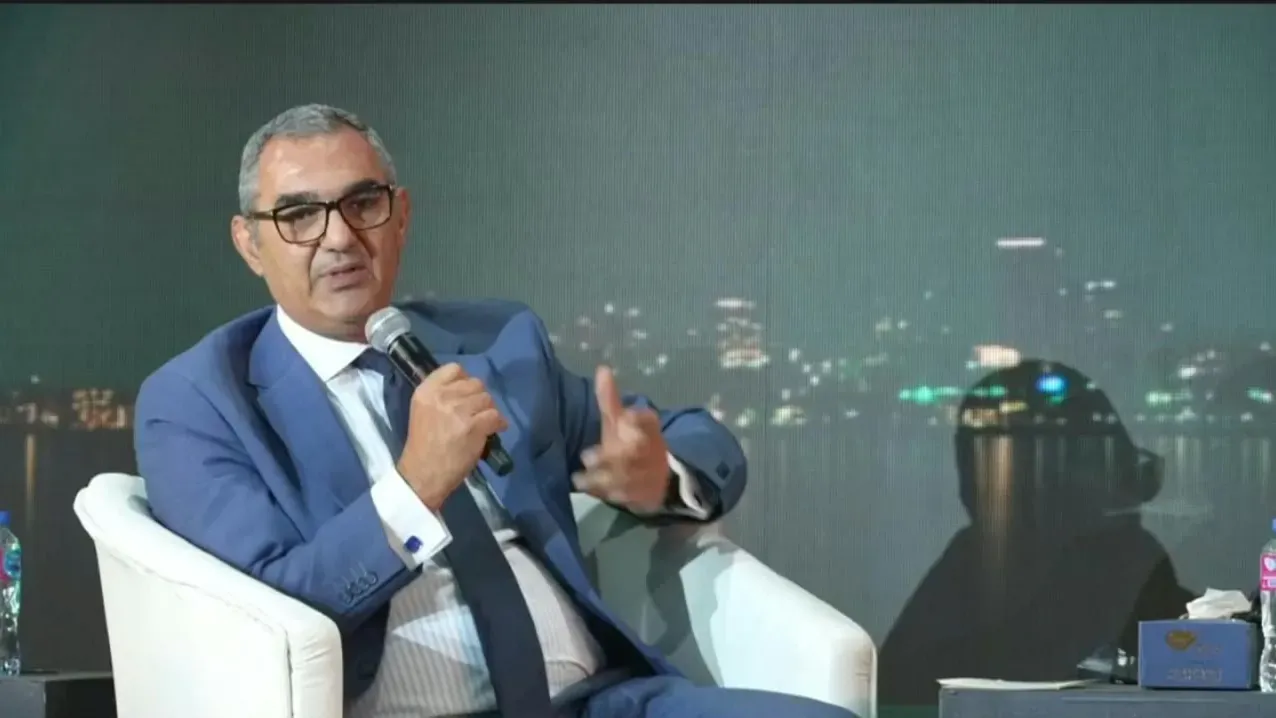
Khaled Bassiouny, General Manager of the Financial Inclusion Department at the Central Bank of Egypt, said Egypt’s financial inclusion rate has risen from 27% in 2016 to around 79%. Reaching those who remain outside the formal financial system is a greater challenge, particularly in remote areas and among people who face difficulties
using banking services.
Speaking at the PAFIX conference during Cairo ICT 2026, Bassiouny said financial service providers must consider how technology and artificial intelligence can help overcome barriers such as illiteracy and limited mobility, while meeting the needs of individuals and small and medium-sized enterprises. He added that understanding these groups’ circumstances and challenges should come before designing services for them.
Bassiouny said progress in financial inclusion should be measured by more than the headline rate. Formal financial services must reach people in ways that suit their circumstances and encourage them to use those services.
He also discussed barriers facing some women in rural areas, including social constraints, limited mobility and difficulties using mobile phones. In some cases, he noted, mobile phone lines are registered in their husbands’ names, which can restrict their access to digital financial services.
Bassiouny highlighted cooperation with the National Council for Women on a savings and lending groups project that encourages women to save and gives them access to financing, supporting their economic empowerment.
Comments
No comments yet. Be the first!