

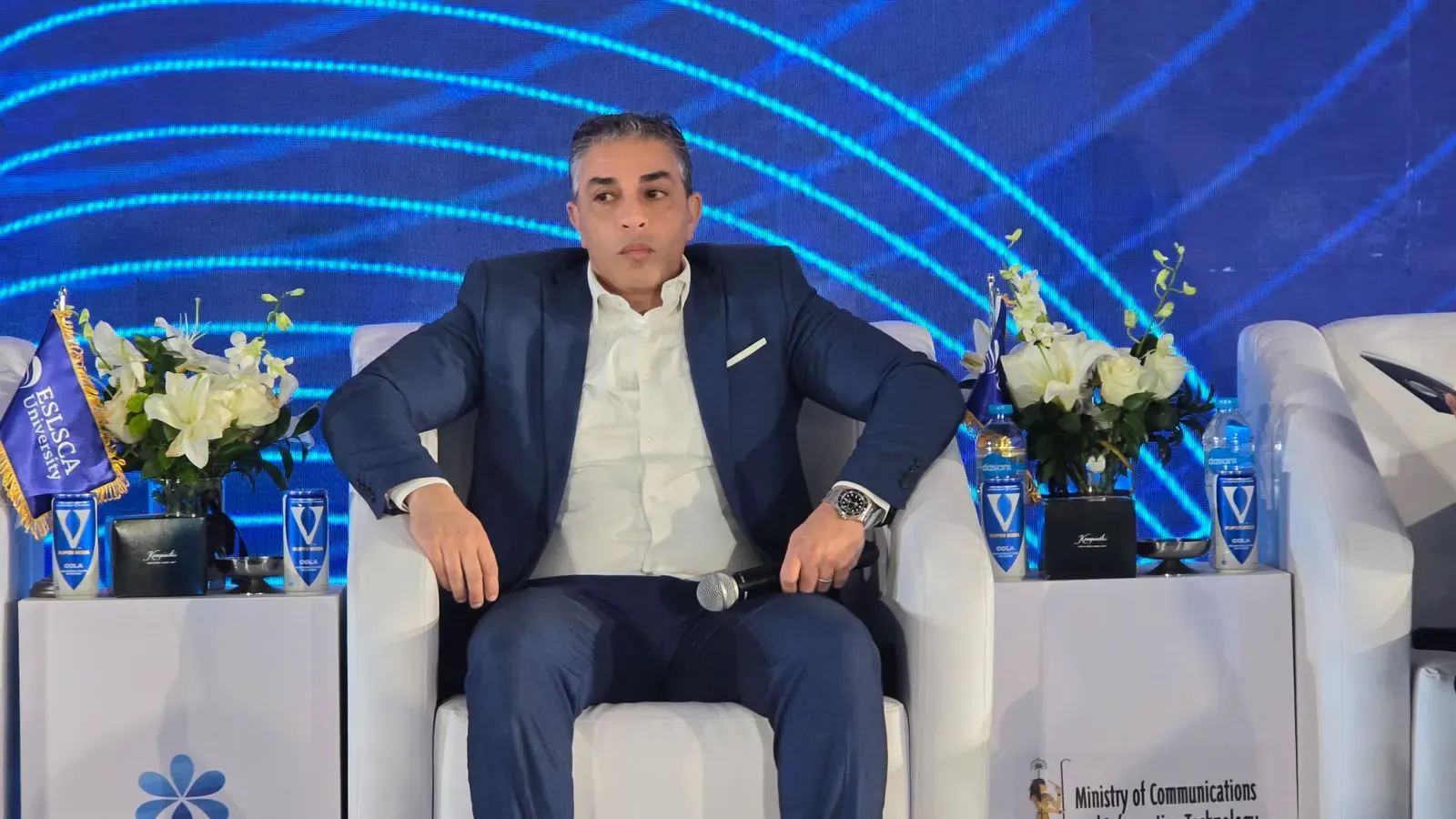
Ahmed Al-Shanawany, CEO of "Sahlah" for consumer finance, stated that the company recently obtained a digital activation license, allowing it to activate customer accounts remotely without the need to leave home, as part of its approach to simplify the financing journey and reduce the procedures that the customer goes through.
Al-Shanawany explained that the company started designing its services based on a question related to the customer experience, which is how they can obtain the financing they need with the least amount of restrictions. He added that this question reflects the choice of the name "Sahlah", as the company wanted the customer to feel the impact of simplifying the procedures from the beginning of dealing with it until obtaining the financing and communicating with customer service.
He pointed out that the work team studied the steps that could drive the customer to withdraw from requesting financing from a bank or another financing company, including the need to extract a bank statement or travel to the headquarters of the entity to complete the procedures. He added that the company worked on creating alternatives to these steps, noting that the digital activation allowed it to complete the process of activating the customer account remotely.
Al-Shanawany added that the customer seeks quick financing at a reasonable cost, alongside a customer service that responds to their needs during the stages of dealing with the company. He referred to the use of chatbots among the tools that "Sahlah" relies on to facilitate communication with customers, clarifying that the goal is for the customer to feel the impact of these changes in the time and effort they expend to obtain the service.
The CEO of "Sahlah" referred to his professional experience, noting that his participation in a training program at the Egyptian Banking Institute represented a turning point in his career, as he worked after completing the program on a digital project that allowed him to think about how to benefit from data, including social data.
He indicated that he has over 18 years of experience in risk management before transitioning to the business side, which he described as one of the most prominent challenges in his career. He explained that his experience in risk helped him understand the reasons for the hesitance that financing teams might have regarding some business decisions, as it allowed him to transition to the business side to understand the needs of business teams and the reasons for their insistence on the speed of financing.
Al-Shanawany confirmed that the latest challenge lies in unifying the roles of business and risk teams, which is a shared goal, despite their different backgrounds and responsibilities. He clarified that achieving balance starts from understanding each team's nature of work and the reasons for their decisions, so that the business teams consider risk assessments and risk managers understand the needs of business activities.
He added that agreeing on a shared goal helped the company's teams to move more quickly during the startup phase, noting that the diversity of experiences within the work team allowed for viewing decisions from more than one angle. He confirmed that this coordination enhances the company's ability to develop services that respond to what the customer needs, whether in terms of the speed of obtaining financing or the ease of completing their procedures or the quality of the service provided to them.


Comments
No comments yet. Be the first!