

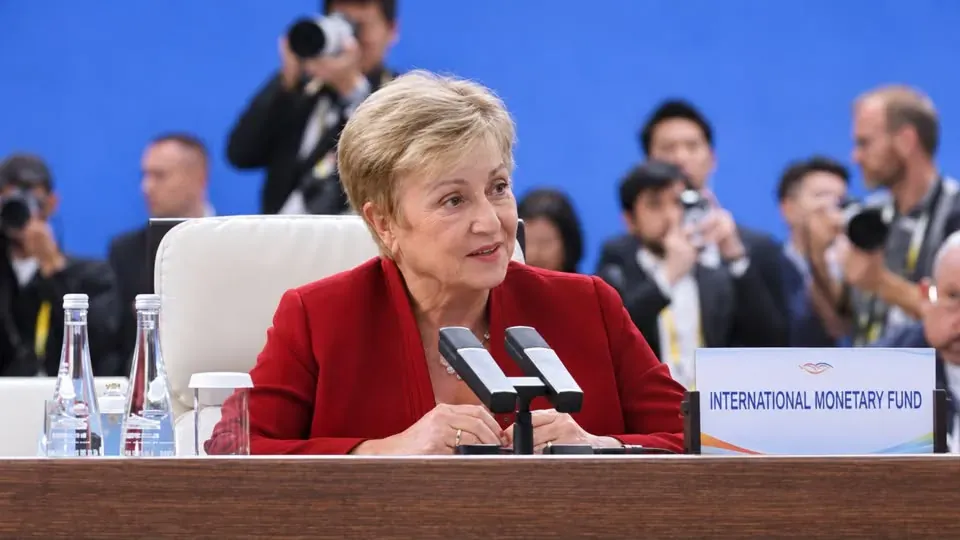
Artificial intelligence is having a material impact on global growth for the first time this year, helping offset the effects of an energy supply shock triggered by turmoil in the Middle East, IMF Managing Director Kristalina Georgieva said.
Speaking at the Asia-Pacific Economic Cooperation (APEC) forum, Georgieva said AI-driven growth accelerated in about a dozen economies, contributing to global growth of 3.1% and growth of 3.4% across APEC economies. She described the performance as “better than feared but worse than needed.”
Georgieva said the energy shock would eventually fade, while AI would remain the most significant factor shaping competitiveness, productivity and growth over the medium term.
Global trade grew by 4.6%, supported by a boom in AI investment and deeper regional trade integration in other sectors. AI hardware and related technology products now account for more than a tenth of global goods trade, a share that is rising rapidly, she said.
Georgieva noted that the headline figures mask significant differences across APEC economies. Some members are facing higher energy costs and the effects of an exceptionally strong El Niño, while others are benefiting from energy exports or close integration into the global AI value chain.
She said the energy supply shock and rising AI-related demand are pushing global inflation to 4.7% this year, warranting tighter monetary policy in many economies. Higher inflation, stronger growth expectations linked to AI and heavy bond issuance by governments and businesses are pushing interest rates higher. Bond yields in many advanced economies have reached their highest levels in decades.
Rising interest rates are also increasing debt-servicing costs. Georgieva said global public debt is expected to exceed 100% of global GDP soon, reaching its highest level since World War II. She urged governments that need to correct their fiscal course to act without delay.
Georgieva also called for faster structural reforms to boost productivity and growth. She highlighted the need to develop capital markets and digital infrastructure, prepare workers and labor markets for AI adoption, and address risks to financial stability and cybersecurity.

Comments
No comments yet. Be the first!