


Switzerland Maintains Zero Interest Rate Amid Economic Weakness and Tariff Relief
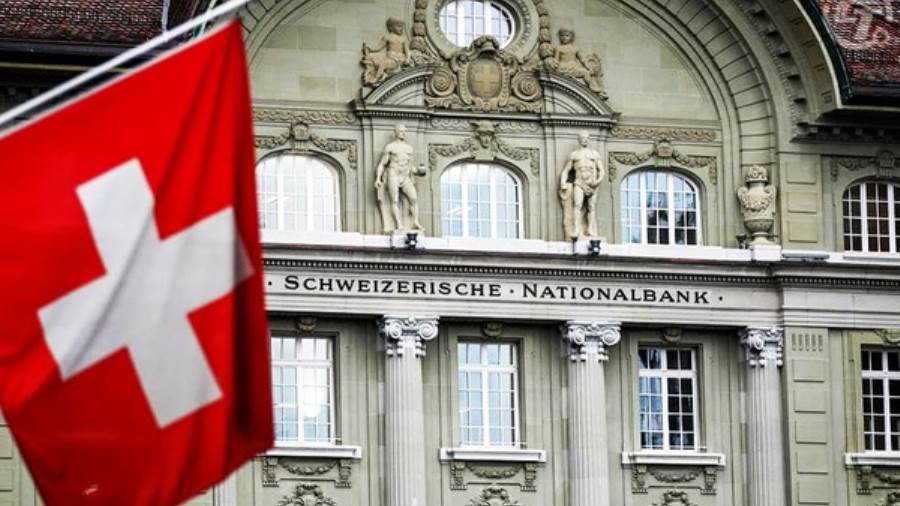
Switzerland’s central bank decided to keep its key policy rate at 0% for the second consecutive meeting, maintaining the lowest interest rate among major global central banks. The decision reflects a cautious stance toward a weakening domestic economy, even as recent developments — including a U.S.–Swiss agreement to reduce tariffs — offer modest signs of improvement.



The Swiss economy has recently shown clear signs of pressure, contracting by 0.5% in the third quarter, which marks one of its most notable declines since the pandemic. At the same time, inflation fell to 0% in November, touching the lower boundary of the SNB’s price-stability target. Although the latest inflation data came slightly below expectations, the bank emphasized that medium-term price pressures remained broadly unchanged.
Another major factor shaping the decision is the continued strength of the Swiss franc. The currency has benefitted from global safe-haven demand during periods of trade uncertainty, helping to reduce import prices and, in turn, suppress inflation. However, this strength has placed additional strain on export-reliant sectors such as precision machinery, luxury watches, and food products.
A key development that eased some pressure on the Swiss outlook was the agreement reached in November between Switzerland and the United States, which reduced additional tariffs on Swiss goods from 39% to 15%. This shift is expected to support major export sectors that rely heavily on the U.S. market and help soften the negative effects on growth seen earlier in the year.
Market analysts widely expected the SNB’s decision, noting that inflation in Switzerland is currently influenced more by global factors — such as oil prices and trade developments — than by domestic monetary conditions. Despite signs of economic softness, overall sentiment has improved slightly compared to the previous quarter, supported by stabilization in European markets and a calmer global trade environment.
Looking ahead, the central bank slightly lowered its inflation projections for the coming quarters but still expects a gradual rise toward 0.7% by late 2027, remaining comfortably within its price-stability range. With interest rates already at zero, the SNB has limited room for further policy easing. Any additional support would likely take the form of currency interventions or targeted measures for sectors under pressure.
In conclusion, Switzerland’s decision to maintain its zero interest rate highlights a delicate balancing act between weak domestic conditions and improving global factors. While the economy continues to face headwinds, the easing of U.S. tariffs and a stable inflation outlook provide the central bank with enough reassurance to hold its current policy path steady.