



Trust in Payments Shifts from Networks to Digital Wallets as “Pay by Bank” Redefines the Payments Landscape
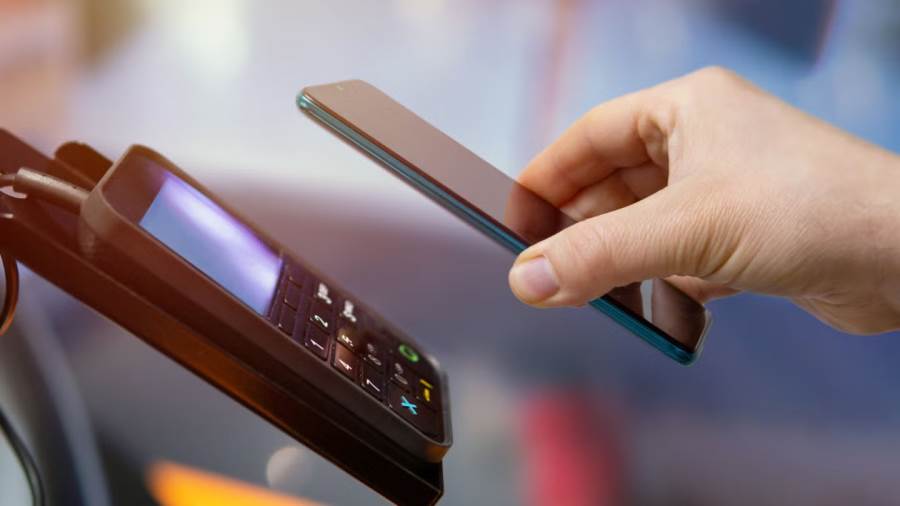
The concept of trust in payments is undergoing a fundamental transformation as digital transactions continue to gain momentum and non-card-based payment solutions become more prevalent. While trust was historically anchored in the logos of global card networks printed on physical payment cards, it is now increasingly centered around digital banking experiences, authentication flows, and the clarity of consumer recourse when issues arise.



A recent report by PYMNTS Intelligence in collaboration with Trustly, titled “Pay by Bank Deep Dive: Digital Bank Users Are Ready to Switch,” highlights that digital banks—rather than traditional card networks—are emerging as the unexpected main players reshaping the future of payments.
Digital Banks Gain Ground
According to the report, digital banks now account for 13.8% of primary banking relationships in the United States, a share comparable to local banks and approaching that of regional institutions. The research also shows that digital bank users tend to be younger, lower-income, and disproportionately millennial.
More significantly, these users were found to be two to three times more likely than the general population to prefer digital wallets across nearly all spending categories, including bills and subscriptions—indicating a clear shift in payment behavior.
Trust Moves to the Wallet
With the rise of digital wallets, consumers no longer interact directly with payment rails. Instead, the wallet has become the primary interface for identity verification, payment authorization, and value exchange. As a result, the funding source—whether a credit card, debit card, or bank account—has become secondary in the overall user experience.
“Pay by Bank” Disrupts the Traditional Card Model
The report suggests that the growing adoption of Pay by Bank solutions could weaken the traditional role of card networks, as wallet providers and bank-based payment systems position themselves as orchestrators of the payment moment itself.
Findings indicate that digital bank users would shift up to 35% of their transactions to Pay by Bank if offered immediate discounts and buyer protection—particularly in account-to-account transfers and bill payments, where cards provide the least differentiation and impose higher costs on merchants.
Structurally, Pay by Bank unbundles functions that were historically integrated into card networks: • Authentication is handled directly by the bank, • Authorization is explicit and instantaneous, • Rewards and protections become modular features rather than built-in elements.
Why Digital Banks Are Embracing This Shift
Neobanks and digital-first institutions have long faced economic challenges with card-based models. While interchange fees provide revenue, margins remain thin amid intense competition and increasing regulatory constraints.
However, digital banks benefit from stronger app engagement and more frequent customer touchpoints, giving them an advantage in introducing innovative payment flows. Their users are already comfortable with tokenized, non-card-based payments and regularly authorize transactions without sharing card details.
Although only 12% of consumers currently view Pay by Bank as a substitute for debit cards, PYMNTS data consistently shows that consumers across all bank types respond to the same incentives: immediate financial benefits and buyer protection are the primary drivers of payment choice, while security concerns—though present—are largely assumed rather than decisive.
The Bigger Picture
As digital wallets and bank-based payment solutions continue to expand, the center of trust in the payments ecosystem appears to be shifting from traditional card networks to digital platforms and smart banking experiences—a transition that could reshape the global payments landscape in the years ahead.