


Governor of the Bank of Japan Outlines Monetary Policy Path Ahead of Potential Rate Hike
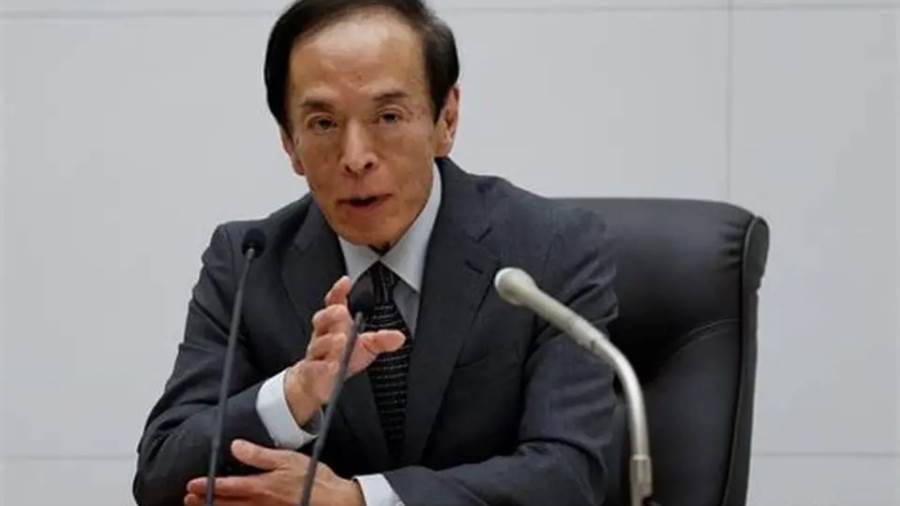
The Governor of the Bank of Japan, Kazuo Ueda, emphasized that the expected move toward raising interest rates in the coming period will not place a burden on Japan’s economic activity. He clarified that any forthcoming adjustments aim to strike a more precise balance between supporting economic growth and managing inflationary pressures. These remarks come as the Bank continues to follow a cautious monetary stance despite inflation remaining above the 2% target.


The Bank’s current approach maintains the key interest rate at around 0.5%, a level reached after increasing the rate from 0.25% last January. This strategy reflects the Bank’s attempt to navigate a gradual transition from an extended period of ultra-loose monetary policy toward a more balanced policy environment aligned with developments in prices and economic activity.
The latest signals from Japan’s monetary leadership suggest that raising interest rates — within an environment that remains relatively accommodative — is viewed as a tool to moderate the pace of economic activity in a way that ensures medium-term stability, rather than as a restrictive measure that could hinder growth or recovery momentum.
During upcoming monetary policy meetings, the Bank is expected to assess several key elements before making any decision. These include a comprehensive evaluation of domestic economic activity, price trends, financial and capital market developments, and the impact of global economic conditions on Japan’s economy. Such assessments form the basis for any new step concerning interest rate adjustments and their expected effects.
These indications reflect a cautious yet calculated stance, amid growing market expectations of a possible additional rate hike next month, especially with inflation continuing to hover at relatively elevated levels. This trajectory suggests an effort by the Bank of Japan to reshape its monetary policy framework to match current economic conditions without undermining the momentum of economic activity.